Real Estate Investing in El Cerrito, CA
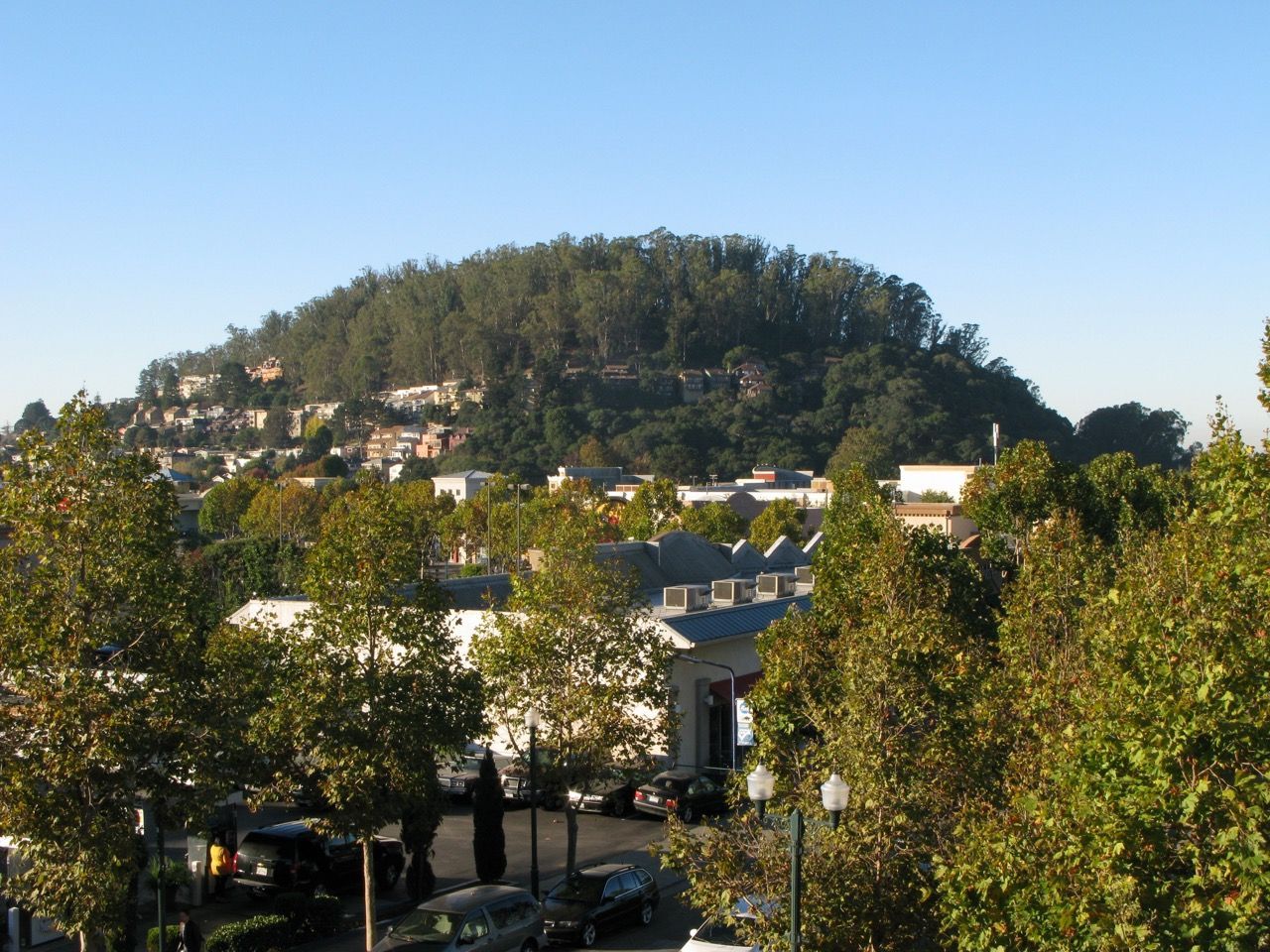
View of Albany Hill from El Cerrito Plaza Bart. This file is licensed under the Creative Commons Attribution-Share Alike 4.0 International license.
Located between Berkeley and Richmond, El Cerrito offers real estate investors established residential neighborhoods, convenient transportation, proximity to San Francisco, and strong long-term demand for East Bay housing. El Cerrito properties remain more accessible than some nearby communities while offering many of the location advantages associated with Berkeley and Albany.
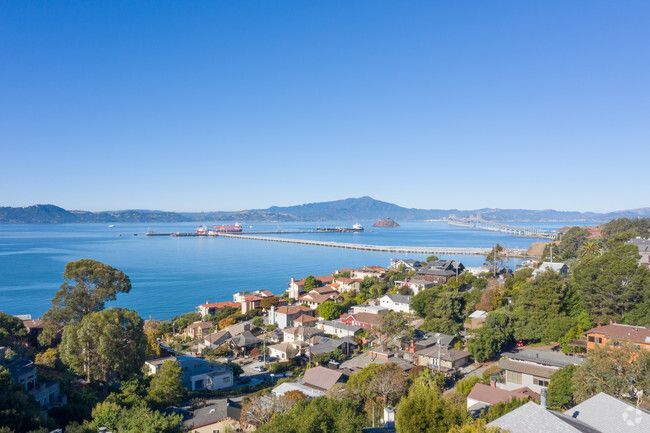
The city is also surprisingly diverse for its relatively small size. Properties range from older homes on traditional street grids near San Pablo Avenue to hillside homes with panoramic views of San Francisco Bay, multi-family condominiums and apartments near BART, and newer housing along San Pablo Ave, the city's evolving transit corridor.
For investors, these differences can significantly affect acquisition price, rental demand, maintenance requirements, and long-term investment strategy.
Why Choose El Cerrito for Real Estate Investing?
Location is one of El Cerrito's strongest advantages. The city sits along the Interstate 80 corridor with convenient access to Berkeley, Oakland, Richmond, Marin County, and San Francisco. El Cerrito is also served by two BART stations, El Cerrito Plaza and El Cerrito del Norte, making the city attractive to tenants who commute throughout the Bay Area and to UC Berkeley.
El Cerrito combines this regional accessibility with a primarily family-friendly residential character. Shopping along San Pablo Avenue and at El Cerrito Plaza, neighborhood parks, the Ohlone Greenway, hillside open space, and proximity to Berkeley and Albany give residents access to a wide range of amenities without living in a larger urban center.
For rental property investors, that combination can help support demand from professionals, families, university students, and other tenants seeking an East Bay location with convenient transportation and access to major employment and educational centers.
What Is the History of El Cerrito?
El Cerrito has a much more colorful history than its quiet residential neighborhoods might suggest today.
The area was once part of Rancho San Pablo, and Victor Castro and his wife Luisa Martinez settled on what was known as Rancho El Cerrito in 1839. Around the turn of the 20th century, much of the area was still rural, with cattle, dairies, chicken farms, and unpaved roads.
Development accelerated after the 1906 San Francisco earthquake and fire as people relocated to the East Bay. One of the early settlements became known as Rust, named after Wilhelm F. Rust, a blacksmith and businessman whose hardware store housed the community's first post office.
The growing community incorporated in 1917 and adopted the name El Cerrito, Spanish for "the little hill." During the following decades, San Pablo Avenue developed into a busy commercial corridor. El Cerrito also became known for a lively collection of nightclubs, gambling establishments, speakeasies, and entertainment venues, a colorful chapter of local history that continued into the mid-20th century.
Japanese American families also played an important role in El Cerrito’s development, particularly through the flower-growing industry. Beginning in the early 1900s, Japanese American growers established numerous nurseries and greenhouses in El Cerrito and neighboring Richmond, becoming important suppliers to the Bay Area flower market. Their businesses were severely disrupted during World War II when local Japanese American families were forcibly removed and incarcerated, although many returned and rebuilt their nurseries after the war. That history remains visible today at Hana Gardens, a newer residential development on San Pablo Avenue built on the former site of the Mabuchi family’s Contra Costa Florist. The development preserves the Hana Gardens name and includes historical markers recognizing the Japanese American nursery families who helped shape this part of El Cerrito.
World War II and the postwar housing boom helped transform El Cerrito into the predominantly residential community familiar today. Much of the city's present housing stock reflects different stages of that development, giving investors a wide variety of property ages, architectural styles, lot sizes, and neighborhood settings.
What Types of Investment Properties Are Available in El Cerrito?
Single-family homes make up an important part of El Cerrito's housing stock and range from smaller homes on relatively compact lots to larger hillside properties - many with beautiful Bay views. Many older homes have been remodeled or expanded over time, while others offer opportunities for investors willing to undertake improvements.
El Cerrito also includes duplexes, small multifamily properties, apartments, condominiums, townhomes, and newer residential developments. Housing near San Pablo Avenue and the city's BART stations has become increasingly important as El Cerrito encourages additional housing and mixed-use development near transit.
Accessory dwelling units can also be an important consideration for investors. Depending on the property and applicable regulations, an existing or potential ADU may create opportunities for additional housing and rental income.
| Market | Typical Home Value | 1-Year Change | 5-Year Change | 10-Year Change |
|---|---|---|---|---|
| El Cerrito | $1,149,856 | +1.5% | -5.3% | +40.9% |
| Richmond | $610,065 | -2.5% | -9.0% | +40.7% |
| Berkeley | $1,460,437 | +4.8% | -2.0% | +34.5% |
| Albany | $1,249,885 | +4.4% | +3.3% | +49.2% |
| San Francisco | $1,416,278 | +11.6% | +0.8% | +21.8% |
Source: Zillow Home Value Index (ZHVI), All Homes, smoothed and seasonally adjusted, through July 2026. ZHVI represents the typical home value rather than median sale price. Data Provided by Zillow Group.
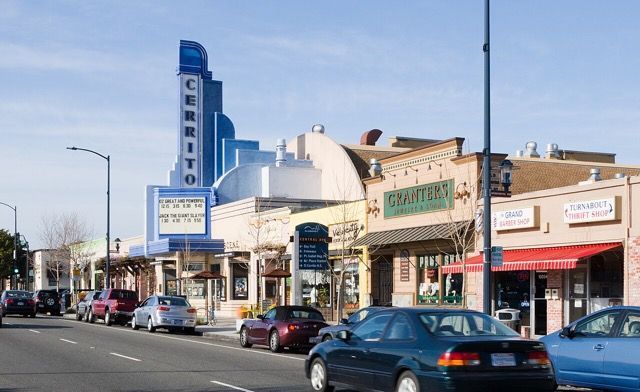
By LPS.1 - Own work, CC0, https://commons.wikimedia.org/w/index.php?curid=116505395
How Have El Cerrito Home Values Performed?
Real estate values in El Cerrito have increased substantially over the past decade, although the market has experienced some softness since the rapid appreciation of the early 2020s. Comparing El Cerrito with nearby communities helps put that performance in perspective.
Over the past 10 years, El Cerrito home values increased approximately 40.9%, nearly identical to neighboring Richmond and ahead of Berkeley and San Francisco over the same period. Albany posted the strongest 10-year appreciation among the markets compared, at approximately 49.2%.
The shorter-term figures demonstrate why investors should consider more than a single year when evaluating real estate performance. El Cerrito values remain below their level five years ago following the rapid rise and subsequent adjustment in Bay Area home values during the early 2020s. More recently, however, Zillow's index shows El Cerrito values increasing approximately 1.5% during the latest 12-month period.
Appreciation is only one component of investment performance. Rental income, financing costs, taxes, insurance, maintenance, vacancies, regulatory requirements, and the length of the holding period can all significantly affect the total return from an El Cerrito rental property.
Source: Zillow Home Value Index (ZHVI), All Homes, smoothed and seasonally adjusted, through July 2026. ZHVI represents the typical home value rather than median sale price. Data Provided by Zillow Group.
Public and Private Schools in and Around El Cerrito
El Cerrito offers access to a variety of public and private educational options. Public schools in El Cerrito are part of the West Contra Costa Unified School District, with local schools including Harding Elementary School, Fairmont Elementary School, Madera Elementary School, Korematsu Middle School, and El Cerrito High School. The West Contra Costa School Finder helps parents locate the school by address.
Several schools in and immediately around El Cerrito have also been consistently highly regarded by local families, including Madera Elementary and Kensington Hilltop Elementary in neighboring Kensington. Families can also choose from numerous private and independent schools in El Cerrito, including Prospect Sierra, Golstan, East Bay Montessori and St. John the Baptist. For rental property investors, convenient access to a range of educational options can contribute to the appeal of larger homes and other properties likely to attract families.
El Cerrito is an Engaged Community
Another characteristic of El Cerrito is a tradition of active community involvement in decisions about development, public facilities, transportation, and quality of life. The long-running effort to replace or substantially improve the city's small 1948 library is a good example. In 2025 and 2026, residents collected more than 2,000 qualifying signatures to place a citizen-sponsored library initiative on the June 2026 ballot. Although Measure C did not pass, the issue generated substantial public discussion, and the city has established a resident Library Task Force to continue evaluating options for a modern library.
That level of participation is also visible in the planning process for major projects such as the El Cerrito Plaza BART development, which has involved years of workshops, study sessions, public hearings, and community input. For property owners and investors, an engaged community can be an important part of understanding El Cerrito. Residents take an active interest in how the city grows and how public spaces and services evolve, helping give this small East Bay city a strong sense of identity.
| Resource | Why It's Useful |
|---|---|
| City of El Cerrito | City services, planning, permits, public meetings, development information, and local government resources. |
| El Cerrito Rental Housing Program | Information about rental business licenses, the Rent Registry, residential rental inspections, and landlord compliance requirements. |
| El Cerrito Police Department | Public safety information, reports, community programs, alerts, and police department resources. |
| El Cerrito-Kensington Fire Department | Fire prevention, emergency preparedness, wildfire information, inspections, and public safety resources. |
| El Cerrito Chamber of Commerce | Local business information, community events, networking, and resources for businesses operating in El Cerrito. |
| Best of El Cerrito | Community-selected local businesses, restaurants, professionals, and service providers throughout El Cerrito. |
| El Cerrito Rental Housing Guide | A practical City guide for rental property owners covering registration, inspections, licensing, and other local rental housing responsibilities. |
El Cerrito Neighborhoods and Areas for Real Estate Investors
El Cerrito Hills
The neighborhoods climbing into the hills east of the city's commercial core offer larger homes, winding streets, hillside settings, and, in many locations, views toward San Francisco Bay. These properties can command premium prices and appeal to tenants looking for more space and a residential environment. Investors should also consider hillside-specific maintenance, drainage, vegetation, access, and insurance issues when evaluating individual properties.
Cerrito Vista and Central El Cerrito
The residential neighborhoods around the city's center offer a mix of established single-family homes on traditional neighborhood streets, with convenient access to San Pablo Avenue, BART, schools, parks, and shopping. Their central location can attract tenants who want a residential setting without sacrificing transportation access.
El Cerrito Plaza and Fairmount Area
The southern portion of El Cerrito benefits from proximity to El Cerrito Plaza BART, shopping, the Ohlone Greenway, Albany, and Berkeley. The area contains a mixture of single-family homes, apartments, condominiums, and newer housing. For investors focused on transit-oriented rentals, proximity to the BART station can be particularly attractive.
San Pablo Avenue and Midtown
San Pablo Avenue has historically been El Cerrito's primary commercial corridor and is increasingly becoming a focus for new housing and mixed-use development. The city's planning strategy encourages additional residential development along the corridor and near transit, potentially creating opportunities for investors interested in condominiums, apartments, and properties benefiting from a more walkable environment.
Northern El Cerrito and Del Norte
The area surrounding El Cerrito del Norte BART provides excellent regional transportation access and convenient connections to Richmond and Interstate 80. Continued housing and commercial development around the station is gradually changing the character of this portion of the city and increasing the amount of housing within walking distance of transit.
These distinctions matter when evaluating an investment. A hillside single-family home may attract a very different tenant and require a different maintenance strategy than a condominium near BART or a small multifamily property near San Pablo Avenue.
New Development and the Future of El Cerrito
Although El Cerrito is largely built out, significant new development is underway around its BART stations and along the San Pablo Avenue corridor. One of the most important projects is the El Cerrito Plaza BART Transit-Oriented Development, which will transform existing surface parking lots into a six-building community with 743 new homes. Approximately 47% of the units are planned at below-market rents, along with 22,000 square feet of new public open space, a community plaza along Fairmount Avenue, commercial space, and the potential for a new 20,000-square-foot public library.
Construction began in November 2025 on the project's first building at 515 Richmond Street, a six-story development with 69 affordable apartments scheduled for completion in spring 2027. Future phases will add both market-rate and below-market-rate housing as funding is secured. The overall project represents a significant change for the El Cerrito Plaza area, adding hundreds of residents within walking distance of BART, shopping, the Ohlone Greenway, and existing neighborhoods.
The city is also encouraging additional housing and mixed-use development along San Pablo Avenue. For real estate investors, these projects are worth watching because they could gradually change the city's housing supply, retail environment, walkability, and the character of areas surrounding its major transit corridors.
Rental Demand and Investment Potential
El Cerrito's location gives rental property owners access to a broad regional tenant market. Residents can commute by BART or freeway to Berkeley, Oakland, San Francisco, Richmond, and other employment centers, while UC Berkeley and other East Bay institutions contribute to regional housing demand.
The city's relatively limited geographic size and established residential neighborhoods also constrain the supply of traditional single-family homes. At the same time, new development is adding housing along San Pablo Avenue and near BART.
For investors, this creates several potential strategies. Some may prioritize long-term ownership of single-family homes in established neighborhoods, while others may prefer condominiums, multifamily properties, or transit-oriented housing with convenient access to BART.
Understanding El Cerrito's Rental Housing Requirements
El Cerrito has approximately 4,000 rental properties, and nearly all residential rentals, including single-family homes and condominiums, are subject to the City's rental housing requirements. Property owners generally must maintain an El Cerrito business license, register rental and occupancy information annually through the City's Rent Registry, and participate in the Residential Rental Inspection Program unless an exemption applies. The inspection program is designed to ensure that rental properties meet health, safety, habitability, and local code requirements. El Cerrito also prohibits short-term rentals of less than 30 days except when operated in accordance with the City's bed-and-breakfast requirements.
The City's Rental Housing Guide provides property owners with a useful overview of these responsibilities and the steps required to keep a rental property in compliance. Because requirements, fees, and state tenant-protection rules can change, rental property owners should review the City's current guidance when purchasing or operating an El Cerrito rental. Professional property management can be particularly valuable in a market like El Cerrito, where owners must manage both the day-to-day responsibilities of a rental property and ongoing local and state compliance requirements.
Rent Increases and Tenant Protections
El Cerrito rental properties may also be subject to California's statewide Tenant Protection Act, commonly known as AB 1482. Depending on the property, the law can limit annual rent increases and establish just-cause eviction protections. Certain properties are exempt, so owners should determine which regulations apply to their individual rental rather than assuming all properties are treated the same.
Older Housing Stock
Many El Cerrito homes are decades old. Investors should carefully evaluate roofing, electrical systems, plumbing, foundations, drainage, heating systems, and other major components when purchasing an older property. Preventive maintenance can be particularly important for controlling long-term operating costs.
Hillside and Wildfire Considerations
Properties in the eastern hills offer some of El Cerrito's most attractive settings and views, but location-specific considerations can include slope and drainage conditions, vegetation management, wildfire exposure, and insurance availability and cost. These issues should be evaluated on a property-by-property basis before purchasing.
Is El Cerrito a Good Place to Invest in Real Estate?
El Cerrito offers many characteristics long-term real estate investors look for: a desirable central Bay Area location, two BART stations, access to major employment centers, established neighborhoods, a limited supply of land, and a diverse housing stock.
Historical Zillow data also shows substantial long-term home value appreciation, with El Cerrito's typical home value increasing approximately 40.9% over the 10 years ending in July 2026. At the same time, recent market fluctuations demonstrate that appreciation is never guaranteed and that acquisition price, rental income, financing, operating expenses, and property selection remain critical.
The best investment opportunities will vary considerably by neighborhood and property type. Understanding local rents, maintenance requirements, tenant demand, rental regulations, and the physical condition of a property can be just as important as evaluating its purchase price.
Buying and Managing Investment Property in El Cerrito
Professional Property Management helps El Cerrito real estate investors reduce vacancies, control maintenance costs, stay compliant with rental housing requirements, and protect the long-term value of their properties.
With decades of East Bay property management experience and access to real estate brokerage services through affiliated First Republic Real Estate, PPM can assist investors throughout the ownership cycle, from evaluating and acquiring investment properties to tenant placement, rent collection, maintenance coordination, regulatory compliance, financial reporting, and eventual sale.
If you're considering real estate investing in El Cerrito, CA, Professional Property Management can help you buy, sell, and manage investment properties throughout El Cerrito and the surrounding East Bay.
Need Help With Property Management?
Professional Property Management has office locations in El Sobrante, Point Richmond and El Cerrito, serving property owners throughout the East Bay.
Rental Property Cash Flow Calculator
Estimated Mortgage: $0
Total Monthly Expenses: $0
Estimated Monthly Cash Flow: $0
Estimated Annual Cash Flow: $0
Estimated Cap Rate: 0%
Share this post